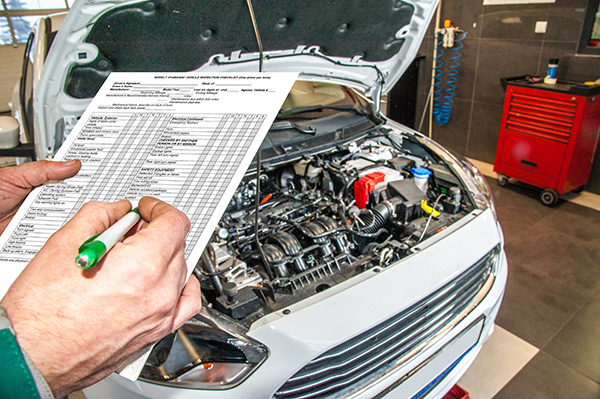
A car that handles your daily commute can still hide a weak point that's waiting for a long drive. Highway heat, a full load, and hours of steady driving can reveal a tire leak, a cooling concern, or a battery problem you barely notice around town. What should you check before you load the luggage?
These seven areas make a useful starting point for road-trip prep. Check them early enough to arrange any service you need, and mention existing symptoms instead of assuming a general inspection will catch every intermittent problem.
1. Check Your Tires And Flat-Tire Equipment
Check the tires for the right cold pressure, uneven wear, cuts, bulges, and other damage. Look at the inner edges, where wear can be harder to spot. Use the vehicle's pressure guidance, including any specified adjustment for a full load, not the maximum pressure printed on the tire sidewall.
Confirm what the vehicle carries for a flat. A spare needs the right pressure and condition, and you need the right tools. A mobility kit needs complete equipment and usable sealant. Run-flat tires have operating limits. Knowing your setup before you leave helps you respond to damage that adding air can't solve.
2. Review Fluid Levels And Service Dates
Check engine oil and other accessible fluid levels using the manufacturer's procedures. Find out whether oil, coolant, brake fluid, or transmission service will come due during the trip. If a fluid keeps needing top-ups, find the loss before you travel. Don't make extra bottles your whole repair plan.
Coolant specification and protection matter as much as quantity. Keep the cooling system closed while it's hot, because pressurized coolant can cause burns. And a fluid container's color isn't a dependable guide to compatibility. If service is needed, record the date, mileage, and specification so you know what was handled before the journey.
3. Check Your Brakes Before The Load Increases
Extra passengers and luggage change the demands on your brakes, and a road trip may add hills or repeated traffic stops. If the vehicle is due for an inspection, ask about pad condition, rotor concerns, hoses, leaks, and brake fluid requirements.
Describe any vibration, pulling, grinding, or a pedal that feels different. Those symptoms deserve a focused check even if the car still stops fine on an easy drive. A major loss of braking means stopping safely and arranging help. And don't put off an existing brake concern because the trip starts soon. Leave time for the right repair and verification.
4. Test The Battery And Charging System When Needed
A battery can start the car at home and still be weak, especially if recent cranking has been slower than usual. Review connections, cable condition, and the battery's secure mounting. Battery age gives you context, but testing shows its actual condition.
The charging system needs attention if you see warnings, dimming, or repeated discharge. Modern alternator voltage can vary, so one reading isn't a complete check. Tell us whether the trouble happens after the car sits or after driving. That distinction helps separate battery condition, charging performance, and electrical use while parked.
5. Inspect Belts, Hoses, And Visible Leaks
Check accessible drive belts, hoses, and connections for damage or leaks. A new belt noise may involve a pulley or tensioner. A hose connection that leaves only a small residue can still lose coolant on a long, hot drive, so recurring level changes need investigating.
Review the timing belt schedule too if your engine has one. A quick look under the hood can't guarantee the condition of a belt hidden behind covers, so follow the mileage and time requirements for your exact engine. Trip prep is a good chance to settle an uncertain service history before you count on the car far from home.
6. Check Lights, Wipers, And Visibility
Test your exterior lights and replace failed lamps using the right procedure. Check wiper performance and washer operation, since rain, bugs, and road spray can quickly reduce visibility. Use washer fluid suited to the temperatures you'll hit along your route, not just the weather at home.
Clean the windshield and keep camera areas clear if your vehicle has driver-assistance equipment. Those systems still have operating limits and don't replace paying attention to traffic. Adjust your mirrors before you pull out, and pack luggage so it doesn't block your view or get in the way of the vehicle's controls.
7. Prepare Emergency Equipment And A Service Plan
Even a well-checked vehicle can develop an unexpected problem. Keep roadside assistance information handy and know where the vehicle's emergency equipment is stored. Secure luggage and gear so nothing comes loose during braking or blocks access to essential tools.
Useful road-trip supplies include:
- A phone charger, flashlight, and suitable roadside visibility equipment.
- Water and basic supplies appropriate to your route and weather.
- Your vehicle instructions and flat-tire assistance information.
Plan your stops and allow time for unexpected delays. If a serious warning appears, follow the manual and stop safely. Don't try to reach your destination first.
Get Road Trip Inspection In Williamsburg, IA, With Just Automotive
Just Automotive in Williamsburg, IA, can inspect your vehicle before a long road trip and review upcoming maintenance. Share your route, expected load, and any existing symptoms so we can check the concerns that matter most for your journey.
Contact us to schedule your road-trip inspection and allow time for any needed service.