Posted on 9/25/2026
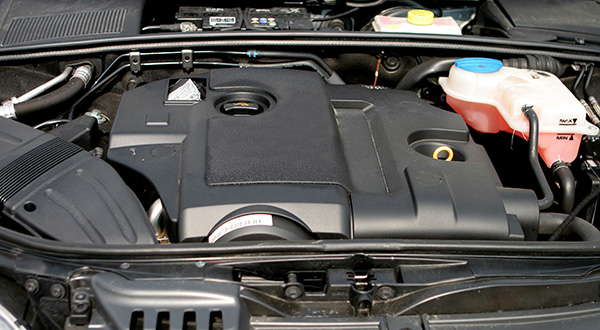
A ticking noise that speeds up as engine RPM rises usually means the sound is tied to something moving with the engine. At idle, the tick may be slow and easy to count. Press the accelerator, and it becomes faster because the part making the noise is moving more often. Some ticking noises are harmless, while others point to wear, low oil pressure, an exhaust leak, or a valvetrain problem. The key is figuring out where the sound comes from, when it is loudest, and whether it changes as the engine warms up. Low Engine Oil Can Make the Valvetrain Noisy Engine oil must reach the camshafts, lifters, followers, rocker arms, and other moving parts at the top of the engine. If the oil level is low, those components may not receive the lubrication and hydraulic pressure they need. That can create a light metallic ticking that increases directly with RPM. At our shop, checking the oil level is one of the first steps because it is simple and important. If the oil is low, we a ... read more
Posted on 8/29/2026

Night driving is more demanding than daytime driving because the driver receives less visual information and has less time to process what appears ahead. Headlights illuminate only part of the road, colors and contrast become harder to distinguish, and hazards can remain hidden until the vehicle is close to them. Many drivers respond by following the same speed and spacing habits they use during the day. That leaves less room for braking, steering, and decision-making. These ten conditions explain why even familiar roads require more attention after dark. Limited Visibility Changes How Far Ahead You Can See 1. Headlights do not illuminate the full stopping distance. Low-beam headlights usually reveal a limited section of road ahead. At higher speeds, a vehicle may travel beyond that illuminated area before the driver can identify a hazard, react, and stop. This is sometimes called overdriving the headlights. Reducing speed extends the time available to respond to ... read more
Posted on 7/31/2026

A PCV valve is small enough that many drivers never hear about it until it causes trouble. It does not look important from the outside, and it usually does not make a loud noise when it starts failing. It just stops managing crankcase pressure properly. Then the engine begins acting strange. The idle may get rough. Oil leaks may show up. The engine may start using more oil. Smoke may appear from the exhaust. In some cases, the check engine light comes on because the air-fuel mixture is no longer where it should be. For such a small part, a stuck PCV valve can create a messy list of symptoms. What The PCV Valve Does PCV stands for positive crankcase ventilation. During normal engine operation, some combustion gases slip past the piston rings and enter the crankcase. Those gases are called blow-by. If they are not controlled, pressure builds inside the engine. The PCV system routes those vapors back into the intake so they can be burned rather than being trapped in t ... read more
Posted on 6/26/2026
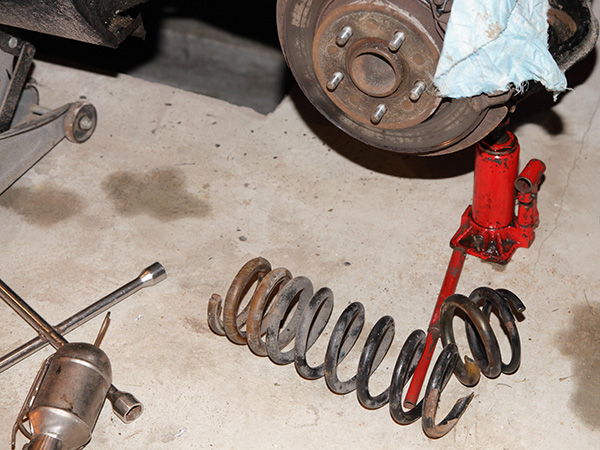
A broken suspension spring can surprise drivers because it does not always give a clear warning first. One day the car sits level, and the next it leans lower on one corner, makes a sharp clunk, or feels rough over bumps. When that happens, it is natural to wonder whether the shock absorbers had anything to do with it. The short answer is that worn shocks usually do not snap a spring on their own. Springs can break from age, rust, heavy impact, repeated stress, or metal fatigue. Still, bad shocks can make the suspension work harder, and that extra movement can add stress to springs and nearby parts over time. What Shock Absorbers Actually Do Shock absorbers control how much the suspension moves after the wheels hit bumps, dips, and rough pavement. The springs carry the vehicle’s weight and absorb road impact. The shocks control the spring movement, so the car does not keep bouncing after every bump. When shocks are healthy, the vehicle settles quickly and fee ... read more
Posted on 5/29/2026
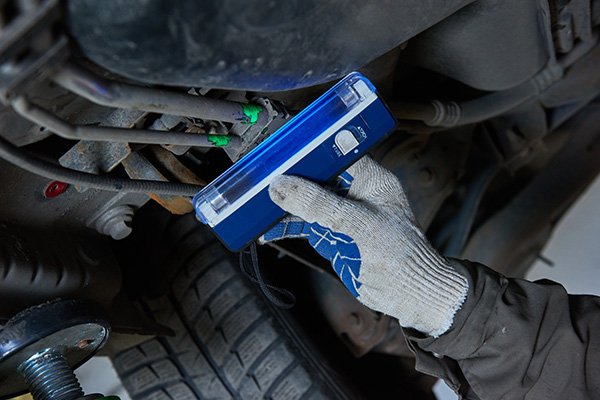
A car A/C system can feel fine one week and weak the next. The vents still blow air, the fan still works, and the buttons still respond, but the air coming out isn't as cold as it should be. Many drivers assume the system just needs more Freon. That might be partly true, but it leaves out the real question. If the refrigerant is low, where did it go? A sealed A/C system should not continue to lose refrigerant unless there is a leak. Freon Is Really Refrigerant Many people still use the term Freon when talking about car A/C, even though modern vehicles use different refrigerants. The job is the same. Refrigerant moves through the A/C system, absorbs heat from the cabin, and releases that heat outside the vehicle. When the refrigerant level drops, the system cannot move heat properly. The air from the vents may feel warm, slightly cool, or cold, depending on the speed. Low refrigerant can also make the compressor work harder, potentially turning a leak into a mor ... read more