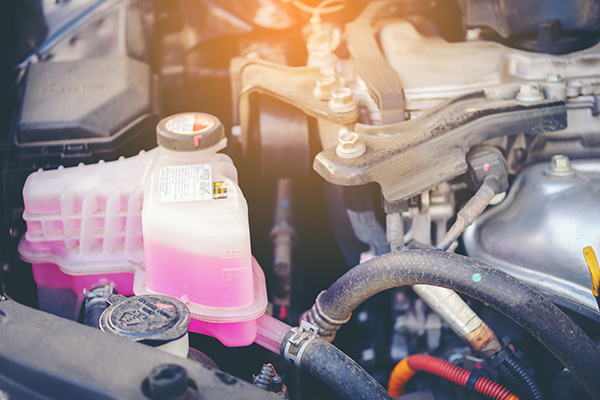
Coolant color is one of those things that look simple but can turn confusing fast. You pop the hood, see green or orange or pink in the reservoir, and you assume color tells you exactly what to buy. Sometimes it does. A lot of the time, it doesn’t, because dye color is not a universal standard across all brands.
What actually matters is the coolant chemistry your engine is designed to use, not just the shade you see.
Why Coolant Comes In Different Colors
Coolant is a mixture of antifreeze and corrosion-inhibiting additives. Those additives protect the radiator, water pump, heater core, and the small passages inside the engine from corrosion and buildup. Manufacturers use different additive packages, and companies dye them different colors to help identify them.
The problem is that color is not regulated. One brand’s orange can be another brand’s yellowish-orange. One brand’s pink can be another brand’s purple. That means you should treat color as a clue, not as a guarantee.
What The Main Coolant Types Usually Are
Coolant types are often grouped by their additive technology, and that is what determines compatibility. The names can vary, but the idea is consistent.
Common categories you may hear about:
- IAT, older style coolant often seen as green
- OAT, longer-life coolant often seen as orange, red, or pink
- HOAT, hybrid coolants often seen as yellow, orange, or turquoise
Even within these categories, there are manufacturer-specific requirements. Two coolants can both be OAT and still not be compatible for your vehicle. That is why the safest choice is the correct specification for your make and model, not a color match guess.
Does Mixing Coolant Colors Cause Problems?
Mixing the wrong coolants can cause real issues. The additives can react in ways that reduce corrosion protection or create deposits. That can clog small passages, reduce heat transfer, and shorten the life of components like the radiator and heater core.
Sometimes mixing doesn’t create immediate sludge, but it can still reduce protection. That’s the part drivers don’t see. The system may look fine for months, then you start dealing with seepage, heater performance changes, or a radiator that’s aging faster than it should.
If you’ve ever topped off with whatever was available, it’s worth checking what’s actually in the system and whether it matches the correct spec.
Why Modern Vehicles Are Pickier About Coolant
Modern engines often have tighter cooling passages and a mix of materials, including aluminum, plastics, and various alloys. That makes the additive package more important. The correct coolant helps prevent corrosion and protect seals and gaskets, whereas the wrong coolant may not.
It also ties into service intervals. Many long-life coolants are designed to last longer, but only if they’re the right chemistry and the system stays clean. If the wrong coolant is used, the long-life advantage can disappear.
What To Do If You Don’t Know What Coolant Is In Your Car
If you don’t have records, don’t rely on color alone. The best move is confirming the correct spec and then deciding whether a full coolant service is the cleanest reset. A drain-and-refill might be enough in some cases, but if there is obvious contamination or the wrong coolant is suspected, a full flush and refill may be the safer option.
Here are a few practical clues that suggest you should not keep topping off randomly:
- The coolant color looks brownish or rusty
- The reservoir has floating debris or a sludge-like film
- The heater output is inconsistent at idle
- The coolant level keeps dropping and you are adding different types
- You have no idea what was used previously and the car is due for service
A proper inspection can also check for leaks and cap pressure behavior, since coolant level problems often get blamed on the wrong thing.
Why Coolant Color Still Matters A Little
Color still has value as a quick visual clue. If you know your vehicle has always used a specific coolant and it suddenly looks very different, that can hint at mixing or contamination. It can also alert you to rust or oil contamination if the coolant looks cloudy or discolored.
Think of color as an early warning system, not a buying guide. If the color looks off, that’s a good reason to have the system checked before you assume it’s just old fluid.
How We Handle Coolant The Right Way
A proper coolant service starts with confirming the correct specification for the vehicle. Then we inspect for leaks and pressure issues, because a leak can undo any service quickly. After that, the system is filled with the correct coolant mix and bled properly so air pockets don’t cause heater problems or temperature swings.
This is also where Regular maintenance matters. Coolant that is correct and serviced on time helps prevent corrosion, reduces leak risk, and protects expensive components that you don’t want to replace.
Get Coolant Service In Williamsburg, IA, With Just Automotive
Just Automotive in Williamsburg, IA, can confirm the correct coolant for your vehicle, inspect the system for leaks, and refill it properly so you’re not guessing based on color.
Schedule a visit and keep your cooling system protected for the long haul.