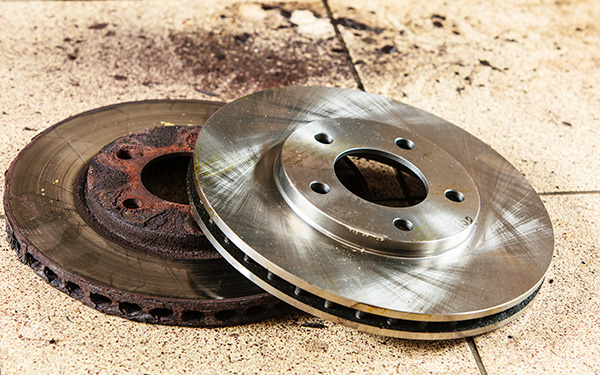
If you have ever walked out to your car in the morning and noticed a thin orange film on the brake rotors, you are not alone. It catches a lot of drivers off guard. One day the brakes looked perfectly normal, and the next day there is rust showing through the wheel. We get questions about this all the time at our shop, especially during rainy weather, humid seasons, or after a car has been sitting for a few days.
The good news is that light brake rotor surface rust is often normal. The bad news is that it can still turn into a bigger problem if the conditions are right and it keeps building up. Knowing the difference between harmless overnight rust and rust that needs attention can save you a lot of stress. From our perspective, this is one of the best examples of how a normal part of car ownership can feel alarming if no one has ever explained it.
Why Brake Rotor Surface Rust Happens So Easily
Brake rotors are usually made of cast iron. Cast iron is strong, durable, and well suited to the heat and friction that braking creates. It also rusts quickly when exposed to moisture. That is the part that surprises people. Because the rotors are not painted on the braking surface, they are exposed directly to rain, humidity, condensation, puddle splash, and even simple overnight moisture in the air.
That means it does not take much for surface rust to appear. A damp night can do it. Washing your car and leaving it parked can do it. Letting the vehicle sit for a couple of days during wet weather can definitely do it. If you live somewhere humid or near the coast, it happens even faster.
This kind of rust develops because bare metal and moisture do not get along. It is that simple.
Why A Little Surface Rust Is Usually Normal
The reason light surface rust is often not a big deal is because your brake pads clean the rotor faces during normal driving. The first few times you apply the brakes, the pads rub against the rotor surface and usually scrub that thin rust layer right off. That is why many drivers notice a little roughness or noise backing out of the driveway, then everything feels normal again a few minutes later.
This is one of the most relatable car moments there is. You start the car after a rainy night, tap the brakes, and hear a brief scraping sound that disappears by the second stop sign. Most of the time, that is just the pads clearing away light rust.
So yes, brake rotors can rust quickly. And yes, in many cases, that part is completely normal.
When Surface Rust Stops Being No Big Deal
Where things change is when the rust is not just a light coating anymore. If a vehicle sits too long, if the moisture exposure is constant, or if the rotor surface is already worn or uneven, the rust can become heavier and harder for the pads to clean off evenly. That can leave pitting, rough spots, or uneven contact across the rotor face.
At that point, you may start noticing rough braking even after driving for a while, grinding or scraping that does not go away quickly, pulsation when braking, or visible heavy rust buildup on the rotor surface. Brakes may feel less smooth or less responsive than they should.
This is especially common on vehicles that do not get driven much. We see it with second cars, weekend vehicles, and cars that sit outside through long stretches of wet weather. So while light rust is common, sitting and staying rusty is where the trouble begins.
Why Cars That Sit Are More Likely To Have Brake Rust Problems
Cars are meant to be driven. When they sit, moisture lingers on the rotors longer, and the brake pads do not get the chance to regularly sweep the braking surfaces clean. A vehicle driven every day may get light rust overnight and polish it off quickly. A vehicle that sits for a week may build much more than that.
We hear this often from drivers who assume less use means less wear. With brakes, limited use can sometimes lead to more corrosion instead.
Short trips can also play a role. If the vehicle only moves a little and the brakes do not get enough use to clean the rotors properly, moisture and rust can stick around longer than expected.
How Weather Speeds Up Rotor Rust
Brake rotor rust is heavily influenced by the environment. Rain, humidity, snow, road salt, and even morning dew can all accelerate the process. Coastal areas tend to be even tougher on brake components because of salt in the air.
Parking outside overnight, leaving the car unused after rain, or washing the vehicle and letting it sit are all common situations where rust builds quickly. This is why some drivers notice rust almost immediately while others rarely see it.
How To Help Prevent Brake Rotor Surface Rust
You cannot completely stop surface rust, but you can reduce the chances of it becoming a problem. A few simple habits go a long way.
Drive the vehicle regularly so the brake pads can keep the rotors clean. Avoid letting the car sit for long stretches after rain or washing. If possible, park in a garage or covered area. After washing the car, take a short drive and use the brakes normally to help dry the rotors. Pay attention to early brake noise that does not go away after a few stops.
These small steps help keep normal surface rust from turning into deeper corrosion or uneven wear.
Why Washing And Parking Can Make It Worse
A freshly washed car feels clean, but moisture left on the rotors can create rust quickly if the vehicle is parked right away. The next time you drive, you may notice that rough appearance and wonder what changed.
Taking a short drive after washing helps dry the rotors through normal braking. It is a simple step that can prevent that quick buildup.
What You Should Not Ignore
There is a difference between normal rotor rust and a brake issue that needs attention. If the rust does not clear after driving, or if braking feels rough, noisy, or uneven, it is worth having the system checked.
Watch for scraping or grinding that continues after several stops, vibration when braking, heavily rusted rotor surfaces after sitting, or reduced braking performance. These are signs that the rotor surface may no longer be smooth enough for proper operation.
Brake Inspection at Just Automotive
If your brakes are making noise, feeling rough, or showing rust that does not seem to clear up, let Just Automotive take a look in Williamsburg, IA. We can inspect your rotors, brake pads, and overall braking system to make sure everything is working as it should.
Call today or stop by Just Automotive to schedule a brake inspection and keep your stopping power where it needs to be.