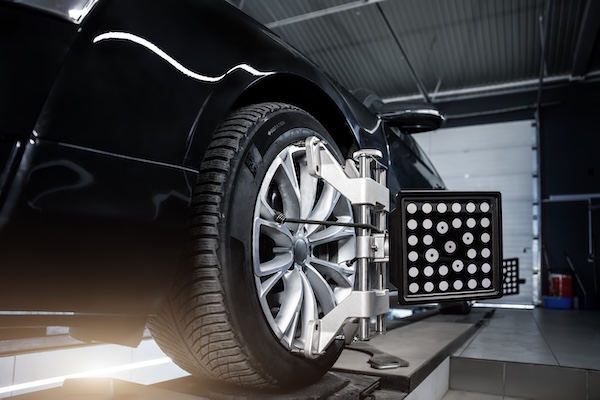
Wheel alignment is one of those services many drivers don’t think about until something feels “off.” Unlike oil changes or tire rotations, alignments don’t follow a strict mileage schedule for every vehicle. However, maintaining proper wheel alignment is essential for safe handling, even tire wear, and overall driving comfort.
Understanding how often your car needs a wheel alignment—and knowing the warning signs—can help you avoid premature tire replacement and unnecessary repairs.
What Is a Wheel Alignment?
A wheel alignment adjusts the angles of your wheels so they are set according to the manufacturer’s specifications. These angles affect how your tires contact the road and how your vehicle handles.
Proper alignment ensures your car drives straight, your steering wheel stays centered, and your tires wear evenly. When alignment is off, it can affect stability, steering response, and fuel efficiency.
How Often Should You Get a Wheel Alignment?
There is no one-size-fits-all answer, but a good general guideline is to have your alignment checked once a year or every 12,000 miles. That said, driving conditions play a major role. Rough roads, potholes, speed bumps, and minor collisions can all throw your alignment out of specification much sooner.
It’s also recommended to check alignment whenever new tires are installed. Starting with proper alignment helps protect your investment and ensures even tread wear from the beginning.
Signs Your Vehicle May Need an Alignment
Your car will often give you clues when the alignment is off. Paying attention to these symptoms can help you address the issue before it causes more damage.
Common signs of wheel misalignment include:
- Vehicle pulling to one side while driving
- Uneven or rapid tire wear
- Crooked steering wheel when driving straight
- Steering that feels loose or unstable
If you notice any of these symptoms, it’s best to have your alignment inspected promptly.
What Causes Wheel Misalignment?
Wheel alignment doesn’t usually go out on its own—it’s typically caused by everyday driving hazards. Potholes, curbs, railroad tracks, and rough roads can all impact suspension and steering components.
Normal wear and tear also plays a role. As suspension parts age, alignment angles can gradually shift, even with careful driving.
Why Wheel Alignment Is So Important
Driving with improper alignment affects more than just comfort. Misalignment causes tires to wear unevenly, often significantly shortening their lifespan. This means you may need to replace tires sooner than expected.
Poor alignment can also impact handling and braking, making your vehicle harder to control in emergency situations. In addition, increased rolling resistance from misaligned wheels can reduce fuel efficiency over time.
Alignment vs. Tire Rotation
While alignment and tire rotation both help promote even tire wear, they are not the same service. Tire rotation changes the position of your vehicle's tires, while alignment adjusts the wheel angles.
Both services work best together and are often performed during routine maintenance visits.
Wheel alignment requires precision equipment and trained technicians, which you'll find at Just Automotive. Modern vehicles often have advanced suspension and steering systems that require accurate measurements and adjustments.
Wheel Alignment at Just Automotive in Williamsburg, IA
If your vehicle pulls, your steering feels off, or your tires are wearing unevenly around Williamsburg, IA, it may be time for a wheel alignment. Even if you don’t notice symptoms, periodic alignment checks help protect your tires and improve driving comfort. Turn to our auto repair shop (Just Automotive) today to schedule a wheel alignment service.